Gen Z is shaking up the market like a well-mixed cocktail, and businesses better pay attention. This generation isn’t just about avocado toast and TikTok dances; they’re driving product trends that blend sustainability with style. If companies want to keep up, they’ll need to embrace the quirks and values that define this digital-savvy crowd.
Overview of Gen Z Product Trends
Generation Z prioritizes authenticity in their purchasing decisions. They emphasize products that reflect their values, particularly sustainability. Brands that showcase ethical practices resonate strongly with this generation. Eco-friendly materials, minimal packaging, and transparent supply chains model the characteristics Gen Z seeks.
Social media influences shopping habits significantly. Platforms like Instagram and TikTok serve as crucial channels for product discovery. Engaging content captures attention, prompting immediate purchasing decisions. User-generated content often sways Gen Z’s choices, with peers’ recommendations having a powerful impact.
Health and wellness trends also gain traction among this demographic. Mental health awareness drives demand for products promoting well-being. Brands offering self-care items and health-conscious alternatives find success in this marketplace. Nutritional supplements and fitness gear frequently adapt to align with these preferences.
Technology plays a fundamental role in shaping products for Gen Z. Smart gadgets integrate seamlessly into their daily lives, enhancing connectivity and convenience. Wearable technology tracks fitness and health metrics, while smart home devices provide automation solutions that resonate with tech-savvy consumers.
Experiential products capture the interest of Generation Z. Unique experiences hold more value than material goods. Interests in travel, tailored subscriptions, and interactive events thrive in this consumer segment. Customization allows for personal expression, reinforcing the desire for distinctive experiences.
Understanding these trends helps businesses align offerings with Gen Z’s expectations. Adapting marketing strategies to highlight shared values ensures relevance in this fast-evolving marketplace. Embracing authenticity and innovative approaches fosters loyalty among this influential generation.
Key Characteristics of Gen Z Consumers
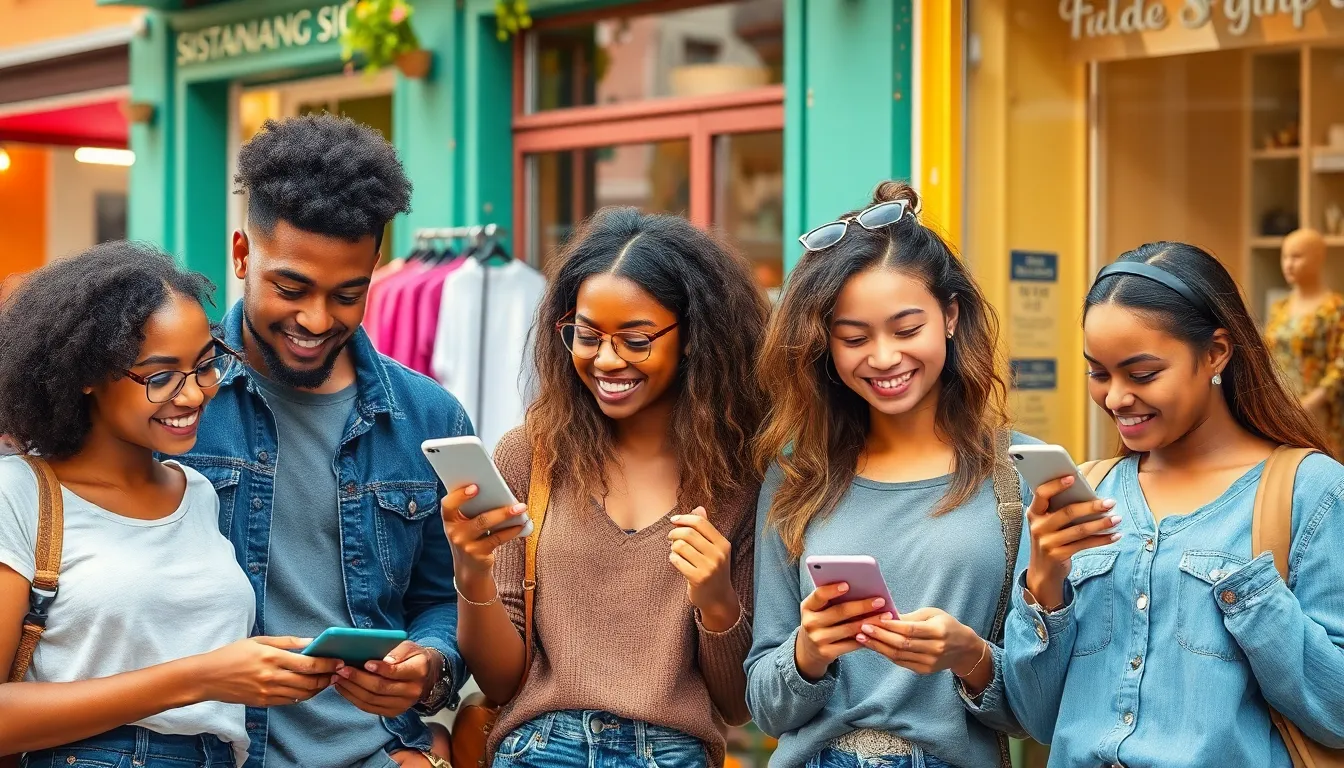
Generation Z features distinct values and preferences that influence their choices. Authenticity stands as a primary concern for them. Brands that demonstrate ethical practices, like sustainable sourcing and transparency, connect deeply with this demographic. This generation prioritizes environmental impact, seeking products that reflect their commitment to sustainability. Mental health awareness drives them to favor self-care items, creating a demand for wellness-focused brands.
Values and Preferences
Social consciousness characterizes Gen Z’s values. They often favor brands that align with their advocacy for social justice and inclusivity. A striking 67% of Gen Z consumers prefer shopping from brands that engage in fair labor practices. Unique and customizable products appeal to their desire for personal expression. They emphasize peer recommendations, valuing authentic reviews over traditional advertising. Engaging storytelling also captivates them, as it fosters emotional connections with products.
Shopping Behavior
Digital-first shopping defines Gen Z’s purchasing habits. A substantial 85% shop via mobile devices and gravitate toward user-friendly websites. Instant access to information drives their decision-making process. They often seek out social media for product discovery, with platforms like TikTok and Instagram shaping their preferences. Limited-time offers and exclusive drops resonate strongly, creating a sense of urgency around purchases. They frequently share their shopping experiences, influencing peers through reviews and social engagement.
Popular Product Categories Among Gen Z
Generation Z’s purchasing behaviors reflect distinct preferences across various product categories. These categories typically emphasize values such as sustainability, authenticity, and personal expression.
Fashion and Apparel
Fashion resonates deeply with Gen Z’s emphasis on individuality. This generation leans toward brands committed to eco-friendly practices, as 60% express interest in sustainable clothing. Fast fashion faces challenges due to the increasing demand for transparency in supply chains. Many prefer vintage and second-hand clothing, valuing uniqueness over mass-produced items. Collaborations between brands and influencers showcase authenticity, driving interest among Gen Z shoppers. Local brands that reflect their community values also attract attention, enhancing brand loyalty.
Technology and Gadgets
The tech-savvy nature of Gen Z shapes their gadget preferences. Smart technology remains a top priority, with 75% owning a smart device. They seek products that enhance convenience and connectivity, such as smartwatches and wireless earbuds. Augmented reality apps garner interest, allowing consumers to interact with products virtually. Many gravitate toward brands prioritizing innovation and user experience. Additionally, gaming technologies and platforms attract significant attention as entertainment becomes increasingly tied to social interaction.
Beauty and Personal Care
Personal care products reflect Gen Z’s focus on health and wellness. Clean beauty brands emerge as favorites due to their commitment to non-toxic and cruelty-free ingredients. A staggering 70% of Gen Z consumers consider ethical practices critical when selecting beauty products. Customized skincare solutions capture interest, addressing specific needs and preferences. Skincare routines often incorporate wellness elements, emphasizing mental health awareness. Influencer recommendations play a crucial role, with many relying on peers over traditional advertising when making beauty purchases.
Sustainable and Ethical Choices
Generation Z emphasizes sustainability and ethics when selecting products. Their choices reflect a shift toward eco-conscious consumerism.
Eco-Friendly Products
Eco-friendly products attract a significant portion of Gen Z consumers. Approximately 60% express interest in sustainable clothing, opting for brands that embrace environmentally responsible practices. Vintage and second-hand items resonate well, as unique finds provide an alternative to mass production. Brands that utilize recycled materials capture attention, reflecting this generation’s commitment to reducing waste. Clean beauty products also gain popularity; 70% prefer non-toxic, cruelty-free options. Sustainable packaging further enhances appeal, ensuring eco-friendly choices extend beyond the product itself.
Brand Transparency
Brand transparency plays a pivotal role in Gen Z’s purchasing decisions. Authenticity engages this generation, with many demanding information about sourcing and manufacturing processes. Companies that share their ethical practices gain trust and loyalty, benefiting from a strong preference for brands advocating social justice. Roughly 67% favor businesses committed to fair labor practices, highlighting a desire for socially responsible brands. When brands openly communicate their values, they foster deeper connections, paving the way for long-term relationships with consumers. Transparency isn’t just a trend; it forms the foundation of Gen Z’s expectations in an increasingly aware marketplace.
Influencers and Social Media Impact
Social media platforms profoundly shape Gen Z’s purchasing behavior. Creators on platforms like TikTok and Instagram drive trends through authentic content. Engaging user-generated posts generate immediate interest in products, leading to quick purchasing decisions.
Influencer recommendations reflect significant sway, as 70% of Gen Z values peer insights over traditional advertising methods. Brands tapping into collaborations with relatable influencers gain credibility and align with Gen Z’s preference for authenticity.
Content that highlights ethical practices resonates strongly with this generation. Messaging focused on sustainability attracts 67% of Gen Z consumers, who prioritize brands advocating fair labor practices. Companies showcasing eco-friendly materials gain a competitive edge, emphasizing transparency in their operations.
A growing focus on mental health influences product trends within this group. Self-care products frequently gain traction through influencer promotions, which showcase their benefits. Behavioral shifts towards enhanced well-being lead to a rising demand for health-conscious and clean beauty options.
Shopping habits reflect a digital-first mentality, with 85% engaging via mobile devices. User-friendly websites streamline the purchasing process, enhancing consumer satisfaction. The influence of social media extends to vast knowledge sharing, helping brands connect with Gen Z by storytelling that emphasizes social consciousness and inclusivity.
Visual content remains paramount, as eye-catching images and videos captivate the audience. Brands employing creative and relatable social strategies stand out against competitors struggling with less engaging methods. Establishing this connection fosters trust and loyalty, reflected in the brand engagement rates specific to this demographic.
Generation Z is reshaping the market landscape with their distinct values and preferences. Their commitment to sustainability and authenticity drives purchasing decisions and influences brand loyalty. Businesses that prioritize ethical practices and transparency will likely thrive in this evolving marketplace.
The power of social media cannot be underestimated as it plays a pivotal role in shaping Gen Z’s shopping habits. Engaging content and peer recommendations resonate deeply with this generation. As they seek unique and customizable products that reflect their individuality, brands must adapt to meet these demands.
By embracing innovative marketing strategies and focusing on social consciousness, companies can build lasting connections with this influential demographic. Understanding and catering to Gen Z’s desires is essential for long-term success in today’s competitive landscape.