Gen Z isn’t just scrolling through TikTok; they’re scrolling through the world’s biggest environmental crisis. With their phones in hand and a passion for change, this generation is shaking things up like a well-mixed smoothie. They’re not just concerned about the planet; they’re ready to put their eco-friendly foot down and demand action.
Understanding Gen Z Environmental Concerns
Generation Z prioritizes environmental conservation and sustainable practices. Their strong commitment drives significant action toward addressing pressing ecological issues.
Key Values and Beliefs
Gen Z values sustainability and eco-friendliness. They show deep concern for climate change, biodiversity loss, and pollution. This cohort believes in individual responsibility, advocating for lifestyle changes such as reduced waste and plant-based diets. Awareness of social justice intertwines with environmental issues, as they recognize the disproportionate impact on marginalized communities. Engagement in grassroots movements demonstrates their desire for systemic reforms. They push for corporate accountability and demand transparency from brands regarding eco-friendly practices.
Influence of Social Media
Social media serves as a powerful catalyst for Gen Z activism. Platforms like TikTok, Instagram, and Twitter enable rapid dissemination of information regarding environmental issues. Viral challenges and engaging content often mobilize peers to take action. Online communities foster collaboration, encouraging individuals to participate in protests and awareness campaigns. Hashtags amplify broader discussions on sustainability, reaching global audiences. Influencers and activists play key roles, inspiring their followers to adopt eco-friendly habits. Content creation shaped by Gen Z’s creativity elevates conversations about environmental protection.
Major Environmental Issues Faced by Gen Z
Generation Z prioritizes several major environmental issues in their activism. Understanding these challenges offers insight into their motivations and actions.
Climate Change and Its Impact
Climate change significantly affects Generation Z’s future. Rising temperatures and extreme weather events threaten their health, safety, and well-being. The Intergovernmental Panel on Climate Change (IPCC) reported that global temperatures could rise by 1.5 degrees Celsius by 2030, intensifying climate-related risks. Floods, wildfires, and droughts are already occurring more frequently. This cohort recognizes their responsibility to advocate for urgent solutions, pushing for policies that limit greenhouse gas emissions. They actively participate in climate strikes and collaborate with organizations focused on sustainability. Increasing awareness of climate change impacts motivates them to adopt sustainable practices in their daily lives.
Plastic Pollution
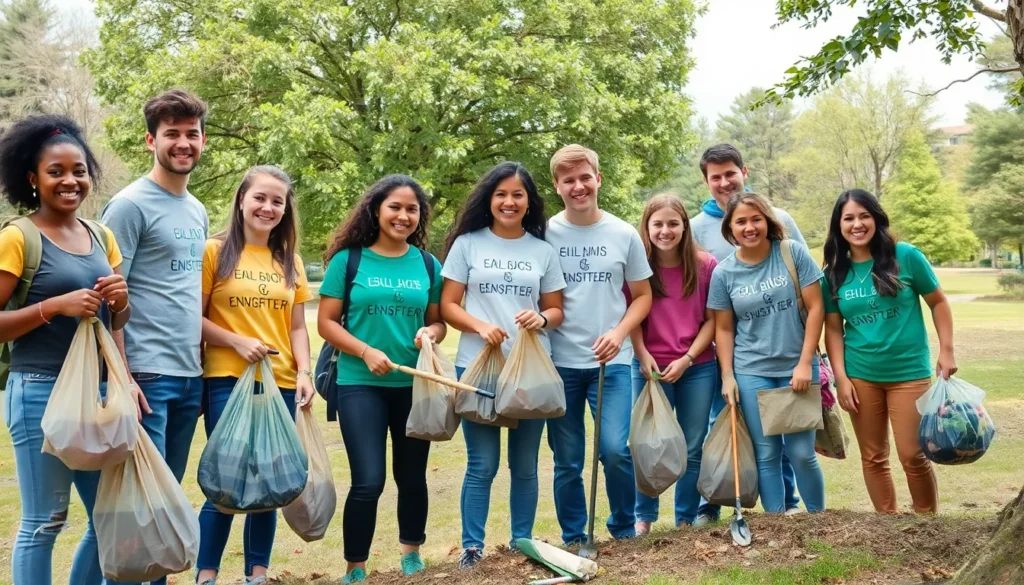
Plastic pollution presents another pressing concern for Generation Z. According to the United Nations, around 300 million tons of plastic waste are produced each year, much of which ends up in oceans and landfills. They are acutely aware of marine ecosystems’ destruction and the dangers plastic poses to wildlife. Many advocate for reducing single-use plastics and support policies that promote recycling and waste reduction. Engaging in clean-up events and social media campaigns amplifies their voices on this issue. Eco-friendly alternatives, such as reusable bags and bottles, frequently become their choices, promoting a culture of sustainability. Through collective action, they strive to reduce their plastic footprint and influence others to do the same.
Activism and Advocacy
Generation Z actively engages in environmental advocacy, driven by a desire for systemic change and sustainability. They use social media platforms to amplify their voices and challenge existing norms.
Notable Gen Z Activists
Greta Thunberg stands out as a prominent figure among young activists. She initiated the School Strike for Climate movement, inspiring millions to demand climate action. Vanessa Nakate emphasizes the importance of addressing climate inequities affecting communities worldwide. Additionally, other activists, like Alexandria Villaseñor and Jamie Margolin, amplify the urgency of environmental crises. Their collaborative efforts attract attention and encourage youth participation across the globe.
Role of Youth Movements
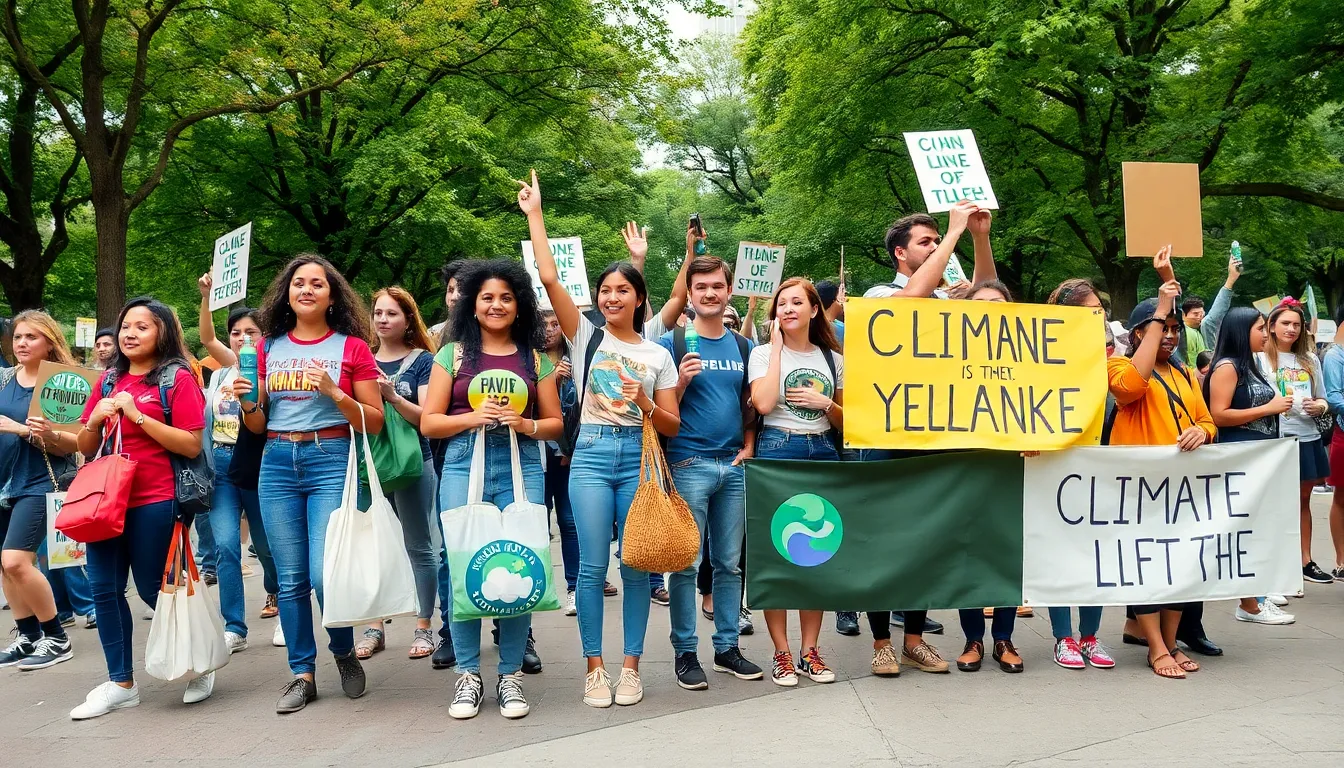
Youth movements foster significant change by rallying young people around common environmental goals. Initiatives such as Fridays for Future and Sunrise Movement empower participants to advocate for climate justice and sustainable practices. These movements often lead to mass mobilizations, such as climate strikes, with thousands participating. Innovative strategies, including online campaigns and engaging challenges, further drive participation. Collective voices challenge political leaders and corporations to prioritize environmental issues, illustrating the power of youth-driven activism in contemporary society.
Solutions and Innovations
Generation Z actively seeks solutions to environmental challenges through sustainable practices and technological advancements.
Sustainable Practices
Adopting sustainable practices includes reducing plastic waste, opting for reusable products, and promoting plant-based diets. Engaging in community clean-up events showcases their commitment to restoring natural habitats. Generation Z frequently utilizes social media to inspire peers to join these initiatives. Sharing DIY projects for upcycling encourages others to rethink waste. They also support brands that prioritize eco-friendly manufacturing processes, advocating for transparency from companies. This cohort believes that lifestyle changes collectively bear significant impact. Initiatives like meatless Mondays and zero-waste challenges foster a culture of sustainability among their peers.
Technological Advancements
Embracing technological advancements plays a crucial role in Generation Z’s approach to environmental solutions. Innovations like solar energy and electric vehicles significantly contribute to reducing carbon footprints. Data collection and analytics drive smarter environmental decision-making, aiding conservation efforts. Many young individuals actively engage with emerging technologies such as biodegradable materials and smart recycling bins. Utilizing apps that track personal carbon footprints assists them in promoting eco-friendly habits. Technologies focused on water purification and air quality monitoring yield positive outcomes for communities. Across the globe, startups targeting sustainability thrive due to this generation’s demand for responsible innovation.
Generation Z stands at the forefront of environmental advocacy. Their passionate commitment to sustainability and eco-friendliness shapes a new narrative around climate change and ecological preservation. By leveraging social media platforms they engage their peers and inspire collective action, driving conversations that demand accountability from corporations and governments alike.
This generation’s innovative approaches to reducing waste and promoting sustainable practices reflect a deep understanding of the interconnectedness of social justice and environmental issues. As they continue to mobilize and educate others the potential for meaningful change grows. With their determination and creativity they are not just addressing environmental concerns but redefining what it means to be an active participant in the fight for a sustainable future.