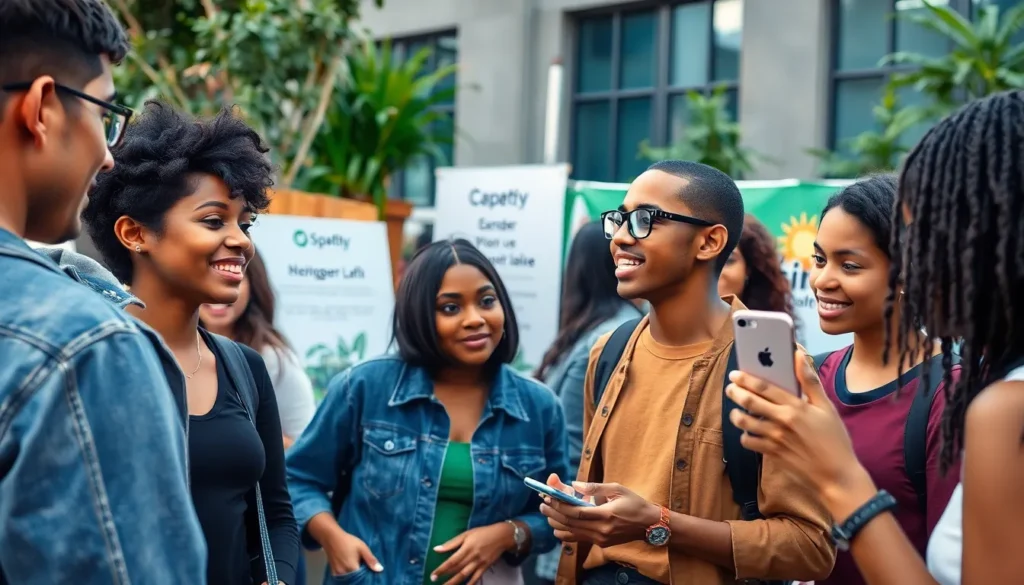
Gen Z is shaking up the consumer landscape like a TikTok dance challenge gone viral. Born between the late ’90s and early 2010s, this tech-savvy generation has a unique set of values and preferences that brands can’t afford to ignore. They’re not just buying products; they’re investing in experiences, sustainability, and authenticity.
With their smartphones glued to their hands, Gen Z navigates a world where social media influences every purchasing decision. They’ve got their eyes peeled for brands that align with their ideals, and they’re not afraid to call out those that don’t. Understanding these trends isn’t just smart; it’s essential for anyone looking to capture the attention of this dynamic demographic. Get ready to dive into the quirks and trends that define Gen Z consumers, and discover how to connect with them in a way that feels genuine and fun.
Overview of Gen Z Consumer Trends
Generation Z consumers, aged 12 to 27, emphasize experiences while approaching purchases with a unique mindset. They exhibit a strong preference for sustainability, often favoring brands that incorporate eco-friendly practices in their operations. Authenticity matters greatly to this cohort, leading them to prefer brands that communicate transparently about their products and values.
Influence from social media plays a significant role in shaping Gen Z’s purchasing decisions. Platforms like Instagram and TikTok are primary channels for brand discovery and engagement. High engagement rates on these platforms drive their loyalty to brands that resonate with their personal values.
Price sensitivity characterizes many Gen Z shoppers. They often seek affordable yet quality options, as balancing budget constraints with product expectations remains vital. Brands that offer value propositions proven through quality reviews or peer recommendations attract their attention.
Peer recommendations hold substantial weight in Gen Z’s decision-making process. Often, they rely on influencers or relatable personalities rather than traditional advertising, allowing for a more genuine connection with brands. This generation views social proof as a crucial determinant of trustworthiness.
Diversity and inclusion are central to Gen Z’s expectations. They favor brands that reflect their values promoting representation across marketing campaigns and product lines. Brands that align with these ideals often see enhanced brand loyalty and customer retention.
Brands looking to reach Gen Z must adapt to these evolving consumer trends. Understanding their behaviors and preferences fosters stronger connections, ensuring that businesses resonate with this dynamic demographic.
Key Characteristics of Gen Z

Generation Z is uniquely defined by their upbringing in a digital world. They interact with technology daily, influencing their communication styles and shopping habits.
Digital Natives
Digital natives leverage technology intuitively. This generation engages with various platforms, particularly social media, which shapes their worldview and purchasing behavior. Gen Z’s preference for visual content, like videos and images, drives brands to share eye-catching, authentic messages. The rapid consumption of information fuels their need for instant gratification, and this impacts how brands deliver experiences. They expect real-time responses from companies, emphasizing the importance of prompt customer service.
Value-Driven Choices
Value-driven choices hold significant weight for Gen Z consumers. They prioritize sustainability and seek brands that align with their values. Ethical practices, like using eco-friendly materials, resonate deeply with this generation. The impact of social responsibility influences their loyalty, pushing them to support businesses that promote positive change. Price remains a crucial factor, leading them to explore affordable options without compromising quality. Engaging storytelling and transparency further enhance brand appeal, encouraging Gen Z to make informed decisions based on shared values.
Shopping Habits of Gen Z
Generation Z displays unique shopping habits that reflect their values and preferences, influenced primarily by their digital upbringing. Their choices often pivot between online and in-store experiences, highlighting distinct approaches to purchasing.
Online vs. In-Store
Online shopping dominates, with Gen Z frequently choosing digital platforms for convenience and a seamless experience. Approximately 70% of this generation prefers to shop online due to instant access to a wide range of products. Price comparison tools and product reviews guide their decisions, reinforcing the significance of informed choices. Conversely, some still value in-store shopping for immediate gratification and personal interaction. Engaging in tactile experiences, like seeing and feeling products, remains essential for a portion of Gen Z. Overall, both avenues coexist, each appealing to different aspects of their shopping needs.
Influencer Impact
Influencers wield considerable influence over Gen Z purchasing decisions, altering the traditional marketing landscape. Approximately 60% of Gen Z consumers trust recommendations from influencers more than from brands directly. Authenticity matters greatly; they gravitate toward influencers who reflect their values and lifestyles. Relatable content, whether through social media posts or YouTube videos, shapes their perceptions of products. Collaborative partnerships between brands and influencers can amplify authenticity and engagement. As a result, brands embracing influencer marketing can tap into the trust and loyalty that Gen Z harbors toward these key figures.
Brand Preferences Among Gen Z
Gen Z displays unique brand preferences that reflect their values and attitudes. Sustainability and ethics play a critical role in their choices.
Sustainability and Ethics
Brands showcasing eco-friendly practices resonate strongly with Gen Z consumers. Approximately 70% express a preference for products made from sustainable materials. They actively seek out companies that demonstrate social responsibility. Transparency in branding further influences their purchasing decisions. Research indicates that this generation is more likely to remain loyal to brands that align with their ethics. Brands that engage in storytelling around their environmental impact strengthen their appeal. Notably, Gen Z prioritizes brands contributing positively to society, reinforcing their commitment to sustainability in daily life.
Brand Loyalty Dynamics
Brand loyalty among Gen Z is multifaceted and influenced by various factors. Many prioritize authentic connections with brands over traditional loyalty programs. About 65% value companies that support social issues, shaping their choices in the marketplace. Additionally, peer recommendations hold significant weight; they often trust other consumers’ opinions more than brand advertisements. Emotional engagement plays a vital role in fostering loyalty among this demographic. Brands that actively listen and respond to their customers’ needs often create lasting relationships. Ultimately, Gen Z demands a sense of community and shared values from their preferred brands.
Generation Z is reshaping the consumer landscape with their unique values and preferences. Their focus on sustainability authenticity and social responsibility drives their purchasing decisions. Brands must adapt to this dynamic demographic by embracing transparency and engaging storytelling.
As digital natives they expect instant gratification and responsive customer service. Price sensitivity combined with a preference for quality means that brands should offer affordable options while maintaining ethical practices.
Influencers play a pivotal role in their decision-making process and brands that foster authentic connections will thrive. Understanding and aligning with Gen Z’s values is essential for building lasting loyalty in today’s marketplace.