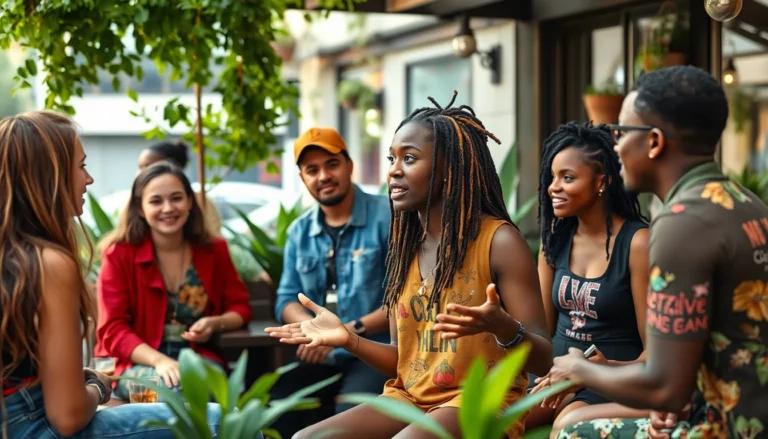
In a world where memes speak louder than words and TikTok trends dictate social norms, understanding Gen Z’s communication style is essential. This generation, born between the late 1990s and early 2010s, has transformed how we connect, express, and even argue. If you thought emojis were just cute little pictures, think again—they’re the new hieroglyphics that convey feelings faster than a speeding text.
Gone are the days of lengthy emails and formalities. Gen Z thrives on brevity and authenticity, using platforms like Snapchat and Instagram to share their thoughts in real time. Whether it’s a witty TikTok or a perfectly timed GIF, they’ve mastered the art of saying a lot with very little. Dive into the quirks and nuances of their communication style, and discover how this vibrant generation is reshaping conversations in ways that’ll leave you both amused and enlightened.
Overview of Gen Z Communication Style
Generation Z’s communication style reflects a blend of efficiency and authenticity. Preferring platforms that facilitate quick interactions, they embrace a unique language shaped by digital culture.
Key Characteristics
Communication among Gen Z exhibits several distinct traits. Brevity remains central; they often favor short messages. Humor frequently appears, especially through memes. Visual content captures interest, making images and videos critical. They value authenticity, prioritizing genuine expression over perfection. Inclusivity matters, encouraging diverse voices and perspectives. This generational style promotes a fast-paced dialogue that adapts to evolving trends, emphasizing connection over formality.
Digital Natives
As digital natives, Generation Z grew up immersed in technology. Instant access to information shapes their interactions significantly. Multiple platforms, such as TikTok and Snapchat, dominate their communication. Texting prevails over traditional calling; brevity suits their fast-paced lifestyle. Security and privacy concerns influence their online interactions, urging them to think critically about digital footprints. Adapting to rapid changes in technology showcases their agility in communication methods, ensuring effective engagement in an always-connected world.
Popular Communication Platforms

Generation Z utilizes various communication platforms to connect with peers, each catering to their unique preferences.
Social Media
Social media plays a central role in Gen Z’s communication style. Platforms such as Instagram, Snapchat, and TikTok dominate their interactions. Instagram serves as a visual storytelling tool, allowing users to share photos, videos, and stories. Snapchat offers quick, ephemeral messages, perfect for sharing in-the-moment experiences. TikTok has gained popularity for its short, engaging video content, facilitating creative expression through challenges and trends. Emojis and memes enhance conversations, adding layers of meaning and humor. These platforms foster community and inclusivity while granting Gen Z members the ability to showcase their individuality.
Messaging Apps
Messaging apps are essential to Gen Z’s daily communication. WhatsApp, Messenger, and Discord dominate their messaging preferences. WhatsApp enables private group chats, supporting close-knit friendships and shared interests. Messenger integrates seamlessly with Facebook, allowing for easy connectivity and conversation. Discord provides a space for discussions centered around shared hobbies, particularly in gaming communities. Quick replies and voice notes are favored over traditional texting, emphasizing a preference for fast-paced interaction. These apps provide a secure environment for both casual chats and deeper connections.
Language and Slang
Generation Z’s language style features rapid evolution and reflects their cultural influences. Slang terms can shift quickly, often making their conversations dynamic and sometimes opaque to older generations.
Trends in Vocabulary
Words frequently adapt, with phrases like “lit,” “flex,” and “ghosting” gaining traction. Social media serves as a breeding ground for new vocabulary, where terms arise from viral trends. Consent and inclusiveness are embedded in their language, with phrases promoting respect and understanding. By utilizing language that emphasizes identity and experience, Gen Z creates communities rooted in shared values. Communication emphasizes playfulness, often infusing humor and irony into everyday interactions.
Emojis and Visual Communication
Emojis serve as a universal language, enhancing textual communication by adding emotional context. They visualize feelings succinctly, making messages more engaging and relatable. Memes often accompany textual messages, adding layers of meaning that text alone can’t convey. GIFs enable reaction-based communication, offering a dynamic way to express emotions. In this way, visuals coexist with text, reinforcing ideas and creating a richer communication experience. For Gen Z, combining words with visuals fosters connection and enhances understanding in conversations.
Impact on Interpersonal Relationships
Generation Z’s communication style significantly influences interpersonal relationships, fostering new dynamics in various contexts.
Peer Interactions
Strong connections define Gen Z’s peer interactions, driven largely by their preference for digital communication. Platforms like TikTok and Snapchat facilitate instant exchanges, promoting a sense of immediacy and accessibility among friends. Short, engaging messages filled with emojis or memes make conversations lively and relatable. Meaning often relies on shared cultural references, enhancing bonds through mutual understanding. Their tendency to curate online personas further shapes peer relationships, leading to both authentic connections and superficial interactions. Group chats allow for immediate feedback and collaborative planning, strengthening friendships while simultaneously creating new social expectations.
Family Dynamics
Family dynamics also reflect the impact of Gen Z’s communication preferences. Many young individuals maintain close ties with family members through digital platforms. Texting often replaces traditional phone calls, allowing for consistent check-ins without demanding time. Visual sharing through photos or videos enhances connection, making interactions feel more engaging. Families embracing social media presence foster openness, encouraging dialogue around topics that may have been taboo in previous generations. Conversations often blend humor and authenticity, demonstrating how shared experiences translate into stronger familial relationships. Overall, Gen Z’s style encourages more relaxed, yet meaningful interactions within families.
Challenges and Misunderstandings
Generation Z’s unique communication style poses various challenges, often leading to misunderstandings in interactions.
Misinterpretation of Tone
Tone misinterpretation occurs frequently in text-based communication. Expressions meant as humor may be read as sarcasm or insensitivity. Emojis, intended to clarify sentiment, sometimes exacerbate confusion instead of resolving it. For instance, a simple thumbs-up might be seen as dismissive rather than affirming. Due to these communication nuances, older generations may misread intent, resulting in frustration. Cultural references embedded in memes or slang terms can further cloud comprehension, highlighting the importance of context in understanding Gen Z communications.
Communication Barriers
Communication barriers arise from differences in platform preferences and language fluency. Gen Z thrives on instant messaging apps, which feature unique idioms linked to specific platforms. Older generations may struggle to navigate unfamiliar domains, leading to disconnect. Texting, while preferred by younger individuals, often results in fragmented conversations lacking deeper emotional clarity. Additionally, the brevity favored by Gen Z can lead to information oversimplification, hampering thorough discussions. These barriers showcase the need for adaptation to bridge generational gaps effectively.
Generation Z’s communication style is reshaping the landscape of interpersonal interactions. Their preference for brevity and authenticity fosters connections that are both meaningful and efficient. By embracing platforms that prioritize visual storytelling and quick exchanges, they engage in a dynamic form of expression that reflects their cultural influences.
While this style promotes inclusivity and creativity, it also presents challenges. Misinterpretations can arise from tone and context, leading to potential misunderstandings. As society adapts to these shifts, recognizing and bridging the gaps between generations becomes essential. Understanding Gen Z’s unique approach to communication will enhance relationships across all age groups, creating a more connected and empathetic world.