Esports is no longer just a pastime for basement-dwellers; it’s a multi-billion-dollar industry that’s capturing the attention of brands worldwide. As the gaming world evolves faster than a speedrun, sponsorships have become the golden ticket for companies looking to connect with a passionate audience. If you thought watching someone play video games was just for fun, think again—it’s a marketing goldmine!
Overview of Esports Sponsorship Trends
Esports sponsorships demonstrate steady growth, reflecting the industry’s expanding appeal. Major brands increasingly recognize the potential of reaching diverse demographics through strategic partnerships. According to a recent report by Newzoo, the global esports market is projected to surpass $1.8 billion in revenue by 2025. As a result, more companies are investing in esports teams and events.
Engagement metrics play a vital role in attracting sponsors. Brands evaluate audience reach, engagement rates, and community interaction. Given the demographics of esports viewers, which skew younger and more tech-savvy, companies find unique opportunities to showcase products. In 2022, 80% of esports fans expressed familiarity with at least one sponsorship.
Brands aren’t limited to traditional marketing strategies. Collaborations between game developers and sponsors create immersive experiences, enhancing viewer interaction. For instance, streaming platforms like Twitch now offer integrated advertising solutions, allowing brands to engage audiences more effectively. In this landscape, data-driven approaches guide sponsorship decisions.
In recent years, a trend towards long-term partnerships emerged. Companies realize the advantages that arise from consistent engagement over transient campaigns. Retaining sponsorships fosters brand loyalty among viewers, translating into sustained market presence. Overall, evolving technology and audience preferences continue to shape the landscape of esports sponsorship.
By focusing on innovative sponsorship models, brands can cultivate deeper connections with the gaming community. Insights gained from audience analysis empower companies to tailor marketing efforts effectively. Expect to see exponential growth in sponsorship investments as the esports industry continues to flourish.
Major Sponsors in the Esports Industry
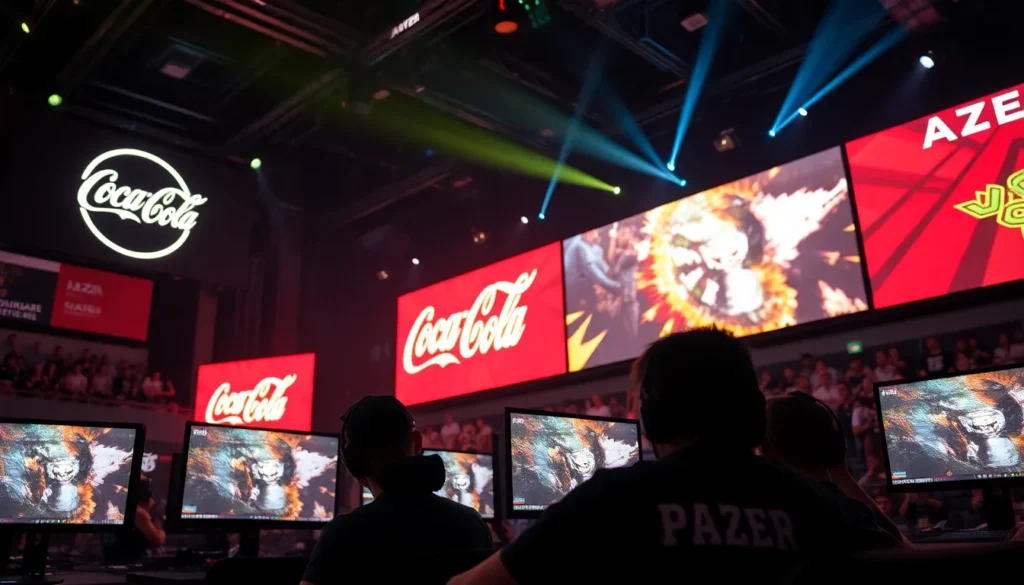
Esports sponsorships have evolved, with a variety of brands investing in the industry.
Traditional Brands Embracing Esports
Consumer goods companies like Coca-Cola and Red Bull are actively supporting esports events and teams. These traditional brands recognize the vast audience that esports offers. Engagement with younger demographics motivates their participation. Events such as the League of Legends World Championship showcase their logos prominently. Additionally, the collaboration helps establish brand affinity. Data shows that 67% of esports fans prefer to see brands involved in their favorite games, solidifying the importance of these partnerships.
Gaming-Specific Sponsors
Gaming hardware companies serve as some of the most significant sponsors in esports. Razer, Logitech, and Intel invest heavily in tournaments and platforms. Their products gain exposure through team sponsorships and event promote visibility. Their involvement enhances not only brand awareness but also product credibility. As the competitive gaming scene grows, these sponsors tailor marketing campaigns directly to gamers. Reports indicate that gaming brands achieve a 50% higher engagement rate compared to traditional sponsors, highlighting the effectiveness of focused investments in the esports sector.
Recent Sponsorship Deals
Recent sponsorship deals highlight the ongoing investment and interest in the esports industry. Major brands are entering the scene, recognizing the potential to engage with the vibrant and diverse gaming audience.
High-Profile Sponsorship Agreements
High-profile sponsorship agreements continue to emerge, with partnerships like the one between Team Liquid and Toyota. This collaboration not only strengthens Team Liquid’s brand presence but also aligns Toyota with a youthful demographic. Similarly, FaZe Clan has partnered with G Fuel, offering fans exciting products to enhance their gaming experience. The combination of these partnerships enhances brand visibility while driving revenue for esports teams.
Impact of Sponsorship Deals on Teams
Sponsorship deals significantly impact teams, providing essential funding for operations and growth. These agreements enable teams to invest in player development and enhance training facilities. Notably, increased resources contribute to better performance in competitions. Furthermore, successful partnerships help elevate a team’s reputation, attracting additional sponsors and fostering community support. Data shows that 67% of esports fans prefer brands active in their favorite games, reinforcing the importance of these sponsorships in building loyalty and engagement in the esports ecosystem.
Strategies for Successful Sponsorship
Companies engaging in esports sponsorship benefit from specific strategies that align with audience preferences and industry trends. Understanding the audience’s interests leads to more impactful marketing.
Engaging with the Audience
Targeted campaigns capture the attention of esports fans. Utilizing platforms like Twitch and YouTube creates opportunities for authentic interactions. Collaborating with popular streamers boosts brand visibility and fosters trust among the gaming community. Customizing content to fit the gaming context enhances relevance, ensuring the sponsorship resonates meaningfully. Leveraging community events invites participation, creating memorable experiences tied to the brand. Personalized promotions can increase engagement, driving loyalty among fans who associate brands with their favorite esports events. The unique nature of livestreaming allows sponsors to connect directly with viewers, presenting a critical avenue for deeper engagement.
Measuring Sponsorship Effectiveness
Assessing the impact of sponsorship investments requires comprehensive metrics. Analyzing engagement rates, brand recall, and audience demographics provides valuable insights. Tracking reach during major events highlights sponsorship success, particularly in aligning with demographic segments. Quantifying social media impressions fosters understanding of brand visibility within the esports landscape. Utilizing data analytics tools enables sponsors to evaluate performance in real-time, adjusting tactics as needed. Surveying audience perceptions informs brands about their effectiveness and areas for improvement. Continuous analysis of these factors enhances future sponsorship strategies, encouraging sustainable growth within the competitive esports ecosystem.
Challenges in Esports Sponsorship
Esports sponsorship faces several challenges that impact its overall effectiveness. One significant issue is market saturation, as an increasing number of brands enter the space. This saturation creates fierce competition for audience attention, making it more difficult for sponsors to differentiate their messaging.
Another challenge lies in understanding the target audience. Different demographics engage with esports in varied ways, and sponsors need to tailor their approaches. For instance, younger audiences prefer authentic, relatable content that resonates with their gaming experiences. Tailored strategies help brands connect effectively, but misalignment can lead to wasted investments.
Measuring the impact of sponsorships poses another hurdle. Challenges arise in tracking engagement metrics and gauging the true return on investment. With 80% of esports fans familiar with sponsorships, brands must find effective ways to quantify success beyond simple visibility. Developing comprehensive analytics can provide insights into audience behavior, helping sponsors refine their strategies accordingly.
Additionally, fostering long-term partnerships remains complex. The esports industry evolves rapidly, with audience interests shifting frequently. Sponsors who adapt quickly to these changes can enhance brand loyalty, but those that resist may risk losing relevance. Maintaining strong relationships with esports teams and organizations is crucial for ensuring consistent engagement.
Finally, navigating compliance and ethical considerations presents challenges. Brands must prioritize transparency and authenticity while engaging with the gaming community. With initiatives like diversity and inclusion gaining prominence, sponsors that align with these values can strengthen their brand image. In contrast, ignoring these aspects may alienate potential fans, weakening sponsorship impact.
Future Predictions for Esports Sponsorship
Esports sponsorship is set to evolve significantly, reflecting trends in audience engagement and marketing strategies. Brands are likely to shift focus toward emotional connections with fans, enhancing brand loyalty through immersive experiences. A notable increase in investments from traditional companies suggests a growing recognition of esports as a mainstream marketing channel.
Predictions indicate that the global esports market may exceed $1.8 billion by 2025. Increased sponsorships from diverse sectors, including finance and health, might diversify the funding landscape. Data reveals that 67% of esports fans welcome brand involvement in games, which will encourage companies to tailor their marketing efforts further to resonate with this demographic.
Long-term partnerships may emerge as a trend, fostering greater brand loyalty and recurring revenue streams for esports organizations. This approach supports sustained market presence, aligning with the proven effectiveness of deepening ties within the community. A focus on personalized sponsorships may lead to innovative collaborations with gaming influencers, enhancing visibility through authentic engagement.
Brands are expected to utilize advanced analytics to evaluate campaign performance accurately. Comprehensive metrics, such as audience demographics and engagement rates, can refine sponsorship strategies and ensure alignment with fans’ preferences. Potential challenges include market saturation, which might intensify competition for consumer attention, demanding more creative approaches.
To navigate this landscape, brands might prioritize transparency and authenticity in their messaging. Aligning with community values like diversity could strengthen brand reputation, preventing alienation of potential fans. By adapting to these emerging trends, companies can capitalize on the burgeoning potential within the esports sponsorship landscape.
Esports sponsorship is poised for remarkable growth as brands increasingly recognize the immense potential of this dynamic industry. The shift towards long-term partnerships and innovative engagement strategies highlights the need for companies to connect authentically with the gaming community. As the esports market continues to expand brands that prioritize transparency and tailor their approaches to audience preferences will stand out.
With projections indicating a significant rise in revenue by 2025 the landscape of sponsorships is likely to diversify further. By leveraging data-driven insights and fostering genuine connections with fans companies can enhance brand loyalty while contributing to the overall development of the esports ecosystem. The future of esports sponsorship is bright and full of opportunities for brands ready to embrace this exciting journey.