In the world of gaming, the esports community has exploded like a well-timed power-up. Once a niche pastime, it’s now a global phenomenon, attracting millions of players and fans alike. With tournaments filling stadiums and streaming platforms buzzing with excitement, it’s clear that esports isn’t just a game; it’s a lifestyle.
Overview Of Esports Community Growth
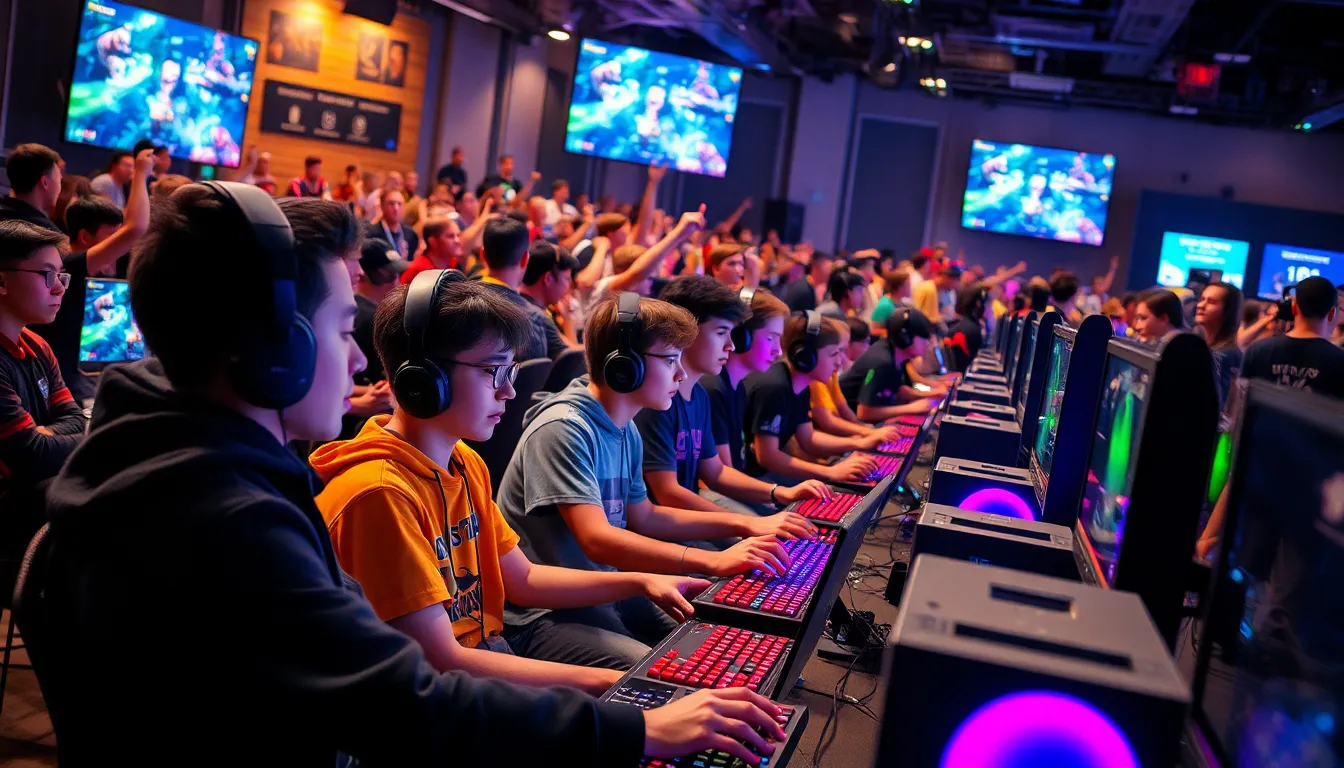
Esports has evolved drastically, transitioning from a niche interest into a global sensation. Millions engage in esports, participating as players or passionate fans. Major tournaments fill stadiums, showcasing the extraordinary skill levels of competitors. Streaming platforms, including Twitch and YouTube, amplify the excitement, fostering a vibrant online community.
Community engagement thrives through social media, where fans share highlights and discuss strategies. Forums and Discord servers enhance interaction, creating spaces for players to connect. The growth of high-stakes tournaments also attracts sponsors, resulting in lucrative partnerships within the industry.
Included in this surge are diverse gaming titles, encompassing genres such as battle royale, MOBAs, and fighting games. Popular games like League of Legends and Fortnite captivate audiences, driving a new wave of participants. Additionally, universities now offer esports programs, legitimizing competitive gaming and fostering talent development.
Viewership statistics further illustrate this growth. In 2021, the global esports audience surpassed 474 million. This figure reflects not only dedicated fans but also casual viewers drawn to live broadcasts of major events. Increased investment in team franchises, media rights, and merchandising reveals the industry’s potential.
Overall, the esports community growth is characterized by its far-reaching impact and inclusivity. This dynamic landscape continually attracts new players and spectators alike.
Factors Driving Esports Community Growth
Various elements contribute to the rapid growth of the esports community. Increased accessibility and the rise of streaming platforms play significant roles in making esports appealing to a broader audience.
Increased Accessibility
Accessibility has transformed how individuals participate in esports. Affordable gaming consoles and PCs allow a wider range of players to engage in competitive gaming. Free-to-play models for popular titles attract new gamers daily. Moreover, mobile gaming continues to expand, bringing esports into the hands of millions. Local esports events and online tournaments promote community engagement, reducing entry barriers for participants. This environment fosters a welcoming atmosphere, encouraging diverse participation.
Rise Of Streaming Platforms
Streaming platforms have revolutionized how fans consume esports content. Services like Twitch and YouTube Gaming provide instant access to live competitions and highlights, capturing wide audiences. Such platforms also enable content creators to interact with viewers through chat features and live Q&As. Events hosted on these platforms often achieve millions of views, showcasing the immense popularity of esports. Sponsorship opportunities for streamers help drive investment into the community, creating a vibrant ecosystem that supports both players and fans alike.
The Role Of Social Media In Esports
Social media serves as a crucial pillar for the esports community. Platforms like Twitter, Instagram, and TikTok help fans connect, share content, and discuss games in real time. Players and teams use these platforms to build their brands, fostering a deep connection with the audience. Interaction between fans and teams enhances engagement, turning casual fans into devoted supporters.
Communities thrive on platforms such as Discord and Reddit. Gamers join these forums to exchange strategies, share experiences, and promote events. These spaces facilitate constructive conversations, bringing players together from various backgrounds and locations. Engaging with content strengthens relationships, shaping a sense of belonging within the esports world.
Streaming platforms also link closely with social media. Twitch and YouTube Gaming integrate platforms for sharing live streams and highlights, fostering an interactive experience. Viewers can chat in real-time, providing instant feedback and support. This interaction not only boosts engagement but also attracts new fans, driving overall growth in the community.
Statistics highlight significant social media impact on esports viewership. In recent years, social media campaigns have contributed to an increase in online audiences for major tournaments. Engaging content and effective promotion draw more viewers to events like League of Legends World Championship and Fortnite World Cup.
Furthermore, sponsorship deals often emerge from social media visibility. Brands recognize the value of being associated with popular streamers and content creators, capitalizing on their reach. These partnerships generate revenue and enhance the growth potential for teams and organizations within the industry.
Social media continues to shape the narrative of esports. By fostering connections, promoting inclusivity, and amplifying voices, it remains integral to the community’s ongoing expansion.
Impact Of Major Tournaments On Community Growth
Major tournaments significantly influence the growth of the esports community. Their scale attracts a wide range of participants, engaging millions of spectators worldwide.
Fan Engagement Strategies
Engaging fans during major tournaments enhances community involvement. Live chats and interactive polls on streaming platforms create real-time conversations between fans and players. Social media campaigns amplify tournament excitement, generating buzz across platforms like Twitter and Instagram. Fans share their experiences through content creation, turning personal stories into collective narratives. Merchandise opportunities also cultivate a sense of belonging, as fans proudly display team colors and logos. By involving fans in discussions and decision-making, organizations nurture loyalty and foster a vibrant community atmosphere.
Sponsorship Opportunities
Sponsorship established via major tournaments shapes the esports landscape. Companies invest heavily in branding opportunities, recognizing the reach of diverse audiences. Tournament organizers collaborate with brands to enhance event visibility, ensuring sponsors gain maximum exposure. Data from viewership analytics boosts sponsorship confidence; sponsors can see their logos on streams accessed by millions. Collaborations with popular streamers increase brand authenticity, aligning products with trusted voices in the community. Such partnerships also contribute to prize pools, enhancing player motivation and attracting talent to competitions.
The esports community’s growth showcases a dynamic and vibrant landscape that continues to evolve. With its increasing accessibility and diverse gaming titles, it attracts a broad audience, fostering a sense of belonging among players and fans. The rise of streaming platforms and social media enhances engagement, turning casual viewers into passionate supporters. Major tournaments not only elevate competition but also create opportunities for sponsorships and brand partnerships. As the industry thrives, it solidifies its position as a cultural phenomenon that resonates with millions worldwide. The future of esports looks promising, with endless possibilities for further expansion and innovation.