In a world where gaming isn’t just a pastime but a full-blown phenomenon, esports has taken center stage. Picture this: millions of fans glued to their screens, cheering for their favorite teams like they’re at a live football match. It’s not just about playing games anymore; it’s about community, competition, and, let’s be honest, some serious bragging rights.
Engaging with esports isn’t just for the hardcore gamers; it’s for anyone who enjoys the thrill of competition and the camaraderie of fandom. Whether you’re a casual viewer or a future pro, there’s a vibrant world waiting for you. So grab your snacks, settle in, and get ready to dive into the electrifying universe of esports—where every match feels like the Super Bowl and every player is a potential superstar.
What Is Esports?
Esports refers to competitive video gaming, where individuals or teams compete in organized events. This phenomenon extends beyond mere gaming, incorporating a culture that emphasizes competition, strategy, and teamwork. Popular game genres in esports include first-person shooters, real-time strategy games, and multiplayer online battle arenas.
Players often engage with esports through major tournaments, which attract thousands of fans both in-person and online. Platforms like Twitch and YouTube host millions of viewers, showcasing live matches and streams. Professionals train rigorously to excel in their games, similar to traditional athletes.
The global market value of esports reached approximately $1.08 billion in 2021, reflecting significant growth. This growth stems from sponsorships, advertising, and merchandise sales. Major companies like Intel and Coca-Cola have invested heavily to engage with this audience.
Communities form around esports, fostering a sense of belonging among fans and players. Online forums and social media platforms allow individuals to discuss strategies or celebrate victories. Events like The International and the League of Legends World Championship highlight the excitement of esports on a grand scale.
Opportunities for aspiring players continue to expand, with potential career paths in streaming, coaching, and event organization. Motivated individuals can turn their passion for gaming into a profession. Esports blurs the lines between entertainment and sport, creating a dynamic environment for competition and collaboration.
The Growth of Esports
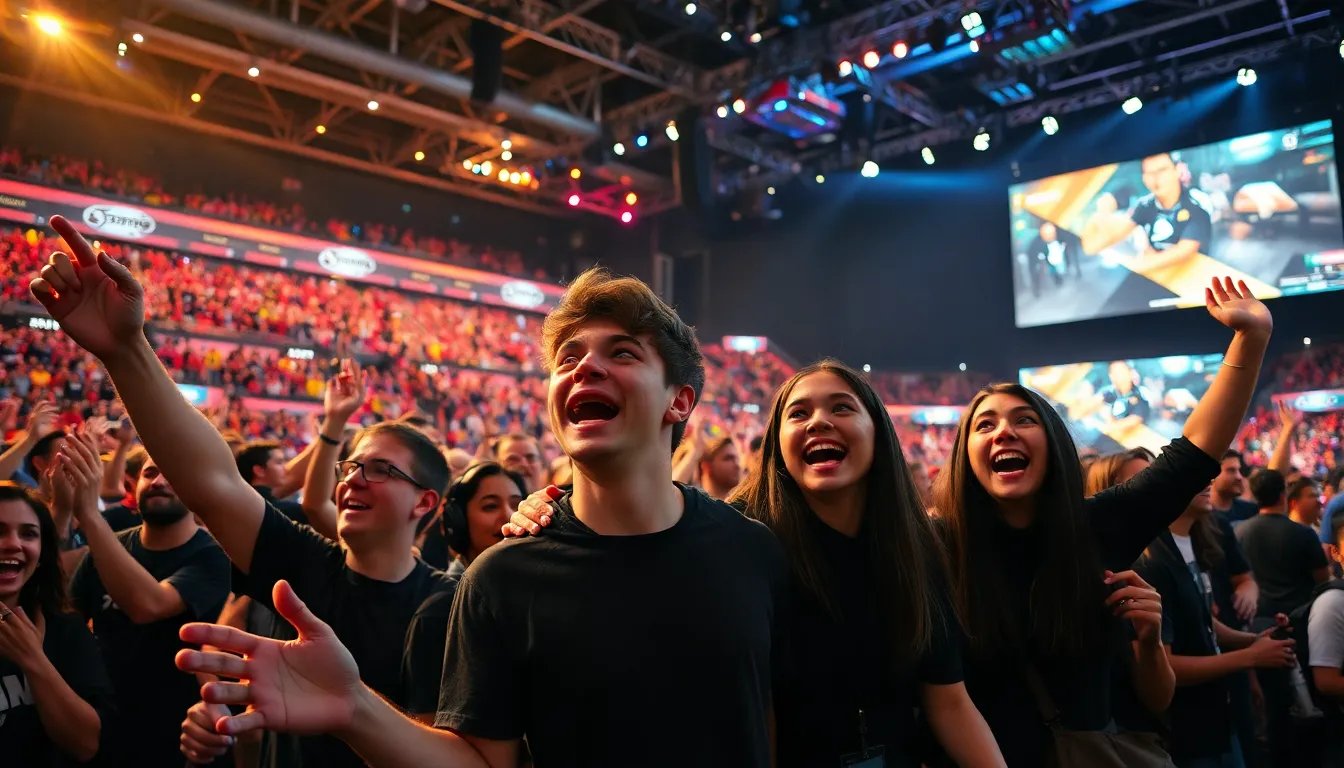
Esports has surged in popularity, evolving into a significant cultural phenomenon. The excitement of competitive gaming now captivates diverse audiences across various demographics.
Popularity Among Different Demographics
Youth culture heavily influences esports, with a substantial portion of participants aged 18 to 34. However, interest isn’t limited to the young. Many viewers over 35 actively engage with esports content, showcasing its broad appeal. Gender diversity also plays a role; not only do male gamers dominate, but female gamers and viewers are rising. Gamers find community in online forums and social media, fostering connections among fans of all ages. Studies show that 70% of esports fans consume content regularly, highlighting engagement levels that rival traditional sports.
Major Esports Events and Tournaments
Major tournaments showcase the pinnacle of competitive gaming, drawing enormous crowds both online and offline. Events like The International offer prize pools exceeding $40 million, making them industry highlights. League of Legends World Championship attracts millions of viewers, with peaks reaching 100 million concurrent streams. Attendance at live events can fill large arenas, reinforcing the hype surrounding esports competitions. Sponsorships from global brands intensify the spectacle, contributing to a thriving ecosystem. These tournaments not only amplify player visibility but also reinforce esports’ credibility as a legitimate entertainment form.
Ways to Engage with Esports
Engagement with esports offers diverse opportunities for fans and enthusiasts. Two key methods stand out: watching live streams and participating in online communities.
Watching Live Streams
Live streaming serves as a primary avenue for fans to experience esports competitions. Platforms like Twitch and YouTube host a vast array of live matches, featuring top teams and players in action. Fans can follow their favorite games, interact with commentators, and join in real-time discussions through chat features. Major esports events like The International and the League of Legends World Championship attract millions of viewers, showcasing the intensity and thrill of the competitions. Engaging with these live streams deepens connection to the esports community and enhances overall enjoyment of the gaming experience.
Participating in Online Communities
Participation in online communities enriches the esports experience for fans. Forums and social media groups allow individuals to discuss matches, share strategies, and connect with like-minded enthusiasts. These communities foster a sense of belonging and provide a platform for fans to celebrate their favorite teams and players. Online discussions about strategies and game updates create opportunities for collaboration and learning. Engaging in these interactions can lead to lasting friendships and collaborative experiences among fans. With esports growing rapidly, active participation in these communities keeps individuals informed and connected to the evolving landscape of competitive gaming.
The Impact of Esports on Gaming Culture
Esports has significantly shaped gaming culture, creating new dynamics in how people interact with video games. Competitive gaming offers not only entertainment but also a social aspect that draws in a wide audience. With the rise of platforms like Twitch and YouTube, fans experience live tournaments as if they are at a stadium, enhancing the excitement.
Strategies and teamwork in esports engage fans at deeper levels. Players and teams communicate and collaborate, fostering a sense of community. This interaction builds relationships among fans, letting them share strategies and celebrate achievements together. Events like The International highlight the shared passion within these communities.
Growing demographics reflect the cultural shift. Recent studies indicate that youth aged 18 to 34 constitute the largest group of esports enthusiasts, while engagement among those over 35 is on the rise. Female gamers also increasingly participate, showcasing the inclusivity of the esports scene. Major events attract millions of viewers, showcasing the phenomenon’s widespread appeal.
Sponsorships further legitimize esports within mainstream culture. Global brands like Intel and Coca-Cola provide substantial financial backing, solidifying its status as a legitimate entertainment sector. In 2021, esports reached a market value of approximately $1.08 billion, driven by interest from various sectors.
Community engagement continues to evolve. Active participation through forums and social media keeps fans informed about news and trends. Communication fosters collaboration and knowledge sharing, strengthening connections among gamers. By becoming part of these platforms, fans engage with the rapidly evolving landscape of competitive gaming.
Engaging with esports offers an exhilarating experience that transcends traditional gaming. Fans can immerse themselves in the action through live streams and vibrant online communities. This dynamic environment fosters connections among viewers and players alike, creating a sense of belonging that enhances the enjoyment of competitive gaming.
As esports continues to grow and evolve, opportunities for involvement expand, inviting everyone to participate. Whether cheering for a favorite team or sharing strategies in forums, the world of esports is rich with possibilities. By joining this exciting community, individuals can explore new dimensions of entertainment while celebrating the spirit of competition and collaboration.